Hardware Wallet vs Software Wallet: Security Comparison Guide 2026

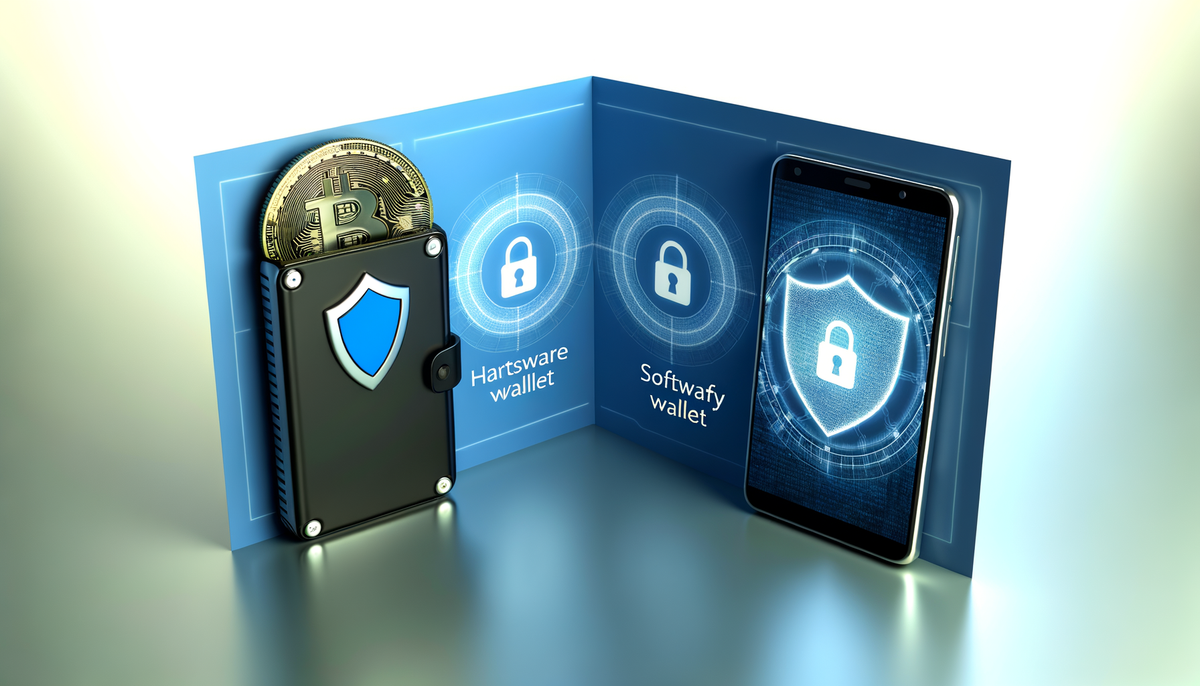
The cornerstone of cryptocurrency security is simple yet often overlooked: "Not your keys, not your crypto." As the industry matures in 2026, the choice between hardware and software wallets has become more nuanced, with each offering distinct security profiles suited to different use cases.
This comprehensive guide examines the security implications of both wallet types, helping you make informed decisions about protecting your digital assets in an era of increasingly sophisticated threats.
Understanding the Fundamental Difference
Before diving into security comparisons, let's establish the core distinction:
Hardware Wallets are physical devices specifically designed to store cryptocurrency private keys offline. They generate, store, and manage keys in a secure element isolated from internet-connected computers and smartphones.
Software Wallets are applications running on internet-connected devices—computers, smartphones, or browsers. They store private keys in encrypted form on these devices, though the encryption quality and implementation varies dramatically.
The fundamental security difference stems from one factor: attack surface. Hardware wallets minimize exposure to online threats by maintaining an air gap between private keys and potential attackers. Software wallets, by definition, exist in internet-connected environments where malware, phishing, and remote exploits pose constant risks.
Hardware Wallets: The Security Gold Standard
How Hardware Wallets Work
Hardware wallets use dedicated security chips (secure elements) that:
- Generate private keys using hardware-based random number generation
- Store keys in tamper-resistant memory that cannot be extracted
- Sign transactions internally, never exposing keys to connected devices
- Display transaction details on the device screen for verification
- Require physical confirmation for all transaction approvals
Popular hardware wallet manufacturers in 2026 include Ledger (Nano X, Nano S Plus), Trezor (Model T, Safe 3), Tangem, GridPlus Lattice1, Foundation Passport, and Coldcard.
Hardware Wallet Security Advantages
1. Offline Key Storage (Cold Storage)
The most significant advantage: your private keys never touch internet-connected devices. Even if your computer is completely compromised with keyloggers, remote access trojans, or clipboard hijackers, attackers cannot access keys stored on the hardware wallet.
2. Physical Transaction Verification
Hardware wallets display transaction details on their built-in screens. This creates a trusted display path preventing man-in-the-middle attacks where malware might alter transaction details on your computer screen while sending different data to the blockchain.
What You See Is What You Sign (WYSIWYG): The transaction shown on the device screen is cryptographically what will be signed and broadcast.
3. Tamper-Resistant Design
Quality hardware wallets employ secure elements—the same chip technology used in credit cards and passports. These chips include physical security measures:
- Intrusion detection that wipes keys if tampering is detected
- Side-channel attack resistance
- Secure boot processes preventing firmware manipulation
- Environmental sensors detecting abnormal operating conditions
4. Immunity to Remote Attacks
No amount of social engineering, phishing emails, or malicious websites can remotely compromise a hardware wallet. Attackers need physical access to the device and knowledge of your PIN—a dramatically higher barrier than clicking a malicious link.
5. Firmware Verification
Reputable manufacturers implement cryptographic firmware verification. Before installation, the device verifies that firmware updates are legitimately signed by the manufacturer, preventing malicious firmware injection.
6. Open Source Transparency (Device Dependent)
Devices like Trezor and Coldcard offer open-source firmware, allowing security researchers to audit the code. While this doesn't eliminate all risks, it enables community verification of security claims.
Hardware Wallet Vulnerabilities and Limitations
Despite their security advantages, hardware wallets are not impervious:
Physical Security Risks
- Loss or Theft: If stolen, an attacker with unlimited time might extract keys through sophisticated physical attacks, though this requires significant resources
- Evil Maid Attacks: Someone with temporary physical access might replace firmware or the device itself
- Supply Chain Attacks: Compromised devices sold through unauthorized channels
User Error Vulnerabilities
- Seed Phrase Exposure: The recovery seed phrase, if improperly stored (photographed, emailed, stored digitally), becomes a single point of failure
- Phishing for Seed Phrases: Fake customer support requesting seed phrases
- Transaction Verification Failure: Users not carefully verifying transaction details on the device screen
Implementation Weaknesses
- Secure Element Bugs: Vulnerabilities in secure element implementation (like the 2020 Ledger seed extraction vulnerability requiring physical access)
- Side-Channel Attacks: Sophisticated attacks analyzing power consumption or electromagnetic emissions to extract keys (requires physical proximity and expertise)
Compatibility and Usability Trade-offs
- Limited Mobile Integration: Some hardware wallets have poor smartphone support
- Software Dependency: Still requires companion software that could have vulnerabilities
- Transaction Speed: Physical confirmation adds friction to rapid trading
- Cost: Quality devices range from $50-$300, creating barriers for small portfolios
Hardware Wallet Best Practices
To maximize security:
- Purchase Directly from Manufacturers: Never buy hardware wallets from third-party sellers on Amazon, eBay, or similar platforms
- Verify Authenticity: Check for tamper-evident packaging and run manufacturer-provided authenticity verification
- Generate Seed on Device: Never use pre-generated seed phrases; always generate on the device
- Secure Seed Storage: Use metal backup plates designed for seed phrases, stored in secure locations (safe deposit box, fireproof safe)
- Use Strong PIN: Employ maximum-length PINs; some devices wipe after incorrect attempts
- Verify Receiving Addresses: Always confirm addresses on the device screen
- Update Firmware Regularly: But verify cryptographic signatures on updates
- Consider Multisig: For large holdings, use multi-signature setups requiring multiple hardware wallets
Software Wallets: Convenience Meets Calculated Risk
Types of Software Wallets
1. Desktop Wallets: Applications installed on computers (Exodus, Electrum, Wasabi)
2. Mobile Wallets: Smartphone apps (Trust Wallet, Coinbase Wallet, MetaMask Mobile, Phantom)
3. Browser Extension Wallets: Browser add-ons (MetaMask, Phantom, Rabby, Brave Wallet)
4. Web Wallets: Accessed through browsers without installation (though often less secure than other software wallet types)
Software Wallet Security Advantages
1. Accessibility and Convenience
Software wallets enable rapid transactions essential for:
- Active trading and DeFi participation
- NFT marketplace interactions
- Frequent small transactions
- Mobile payments and QR code scanning
2. No Additional Hardware Required
Free to install and use, removing cost barriers for newcomers or those with small portfolios.
3. Easy Backup and Recovery
Most modern software wallets use BIP39 seed phrases, enabling straightforward backup and restoration across different wallet applications.
4. Advanced Features and Integrations
Software wallets typically offer:
- Built-in token swapping
- DeFi protocol integration
- NFT galleries and marketplaces
- Multiple blockchain support
- Web3 connectivity for dApps
5. Rapid Updates
Software wallets can push security patches and feature updates quickly, addressing vulnerabilities faster than hardware firmware update cycles.
Software Wallet Vulnerabilities
The security challenges of software wallets stem from operating in hostile environments:
1. Malware and Keyloggers
Any malware on your device can potentially:
- Record your seed phrase during wallet setup or backup
- Capture your password/PIN
- Monitor clipboard for copied addresses and replace them (clipboard hijacking)
- Take screenshots during sensitive operations
- Inject malicious transactions
2. Phishing Attacks
Attackers create fake wallet websites, apps, or browser extensions that:
- Steal seed phrases entered during "wallet recovery"
- Compromise passwords and credentials
- Trick users into signing malicious transactions
- Impersonate customer support requesting sensitive information
3. Compromised Dependencies
Software wallets rely on numerous code libraries. Vulnerabilities in dependencies can compromise the entire wallet. The 2022 event-stream npm package compromise demonstrated how supply chain attacks target cryptocurrency tools.
4. Remote Exploits
Internet connectivity creates exposure to:
- Zero-day vulnerabilities in wallet software
- Operating system exploits
- Browser vulnerabilities (for extension wallets)
- Network-level attacks (man-in-the-middle on insecure networks)
5. Insufficient Encryption
Some software wallets implement weak encryption for stored private keys, making them vulnerable if the device is compromised or stolen.
6. Update Risks
While rapid updates fix vulnerabilities, they also create risks:
- Malicious updates from compromised developer accounts
- Bugs introduced in updates
- Automatic updates installing without user verification
Software Wallet Security Tiers
Not all software wallets offer equal security:
Tier 1 (Highest Software Wallet Security):
- Open-source code audited by reputable security firms
- Air-gapped signing options (create transactions online, sign offline)
- Hardware wallet integration
- No telemetry or analytics collection
- Active development and security team
- Examples: Electrum (desktop), Sparrow (desktop), Blue Wallet (mobile)
Tier 2 (Moderate Security):
- Established reputation and user base
- Regular security updates
- Some open-source components
- Hardware wallet compatibility
- Examples: Exodus, Trust Wallet, MetaMask
Tier 3 (Higher Risk):
- Closed-source code
- New or unproven projects
- Limited security audit history
- Unclear development team
- Hosted/custodial components
Software Wallet Best Practices
To minimize risks when using software wallets:
Device Security:
- Use dedicated devices for crypto operations (never on work computers or shared devices)
- Keep operating systems and all software fully updated
- Install reputable antivirus/anti-malware software
- Enable full-disk encryption
- Use strong device passwords/biometrics
Wallet Configuration:
- Download only from official sources (verify URLs carefully)
- Verify download signatures and checksums
- Enable all available security features (biometrics, transaction confirmation)
- Use strong, unique passwords for wallet encryption
- Consider wallet-specific PINs different from device PINs
Operational Security:
- Never enter seed phrases on internet-connected devices after initial setup
- Store seed phrases offline using the same methods as hardware wallets
- Use browser extension wallets only in dedicated, security-focused browsers
- Verify smart contract interactions carefully before approving
- Revoke unnecessary token approvals regularly using tools like Revoke.cash
- Monitor wallet permissions and connected dApps
Network Security:
- Never use public WiFi for crypto transactions
- Use VPN when accessing wallets outside home networks
- Enable anti-phishing features (MetaMask's Security Provider, for example)
- Bookmark legitimate wallet and dApp URLs; never click email links
Portfolio Management:
- Keep only amounts needed for active use in software wallets
- Transfer long-term holdings to hardware wallets or cold storage
- Use multiple wallets for different purposes (trading, long-term, NFTs)
- Consider using a separate "burner" wallet for risky dApp interactions
Head-to-Head Security Comparison
| Security Factor | Hardware Wallet | Software Wallet |
|---|---|---|
| Offline Key Storage | ✅ Excellent - Keys never online | ❌ Poor - Keys on internet-connected device |
| Malware Resistance | ✅ Excellent - Isolated secure element | ❌ Poor - Vulnerable to device malware |
| Phishing Resistance | ✅ Good - Physical verification required | ⚠️ Fair - Depends on user vigilance |
| Remote Attack Surface | ✅ Minimal - Must have physical access | ❌ Large - Remotely exploitable |
| Physical Security | ⚠️ Moderate - Can be stolen/lost | ⚠️ Moderate - Device theft risks |
| Seed Phrase Backup | ⚠️ User responsibility for both | ⚠️ User responsibility for both |
| Transaction Verification | ✅ Trusted display on device | ❌ Must trust computer/phone screen |
| Supply Chain Risks | ⚠️ Moderate - Hardware tampering possible | ⚠️ Moderate - Malicious software distribution |
| Update Security | ✅ Good - Cryptographically verified firmware | ⚠️ Variable - Depends on wallet implementation |
| Regulatory Seizure Resistance | ✅ Good - Can be hidden/destroyed | ⚠️ Fair - Digital wallets easier to detect |
| Convenience for Active Trading | ❌ Poor - Transaction friction | ✅ Excellent - Instant access |
| DeFi/dApp Integration | ⚠️ Moderate - Requires companion software | ✅ Excellent - Native integration |
| Cost Barrier | ❌ $50-$300 initial investment | ✅ Free |
| Learning Curve | ⚠️ Moderate - Setup complexity | ✅ Easy - Quick installation |
| Recovery Complexity | ⚠️ Moderate - Requires replacement device | ✅ Easy - Install on any device |
Use Case Recommendations
When Hardware Wallets Are Essential
Long-Term Holdings ("HODL")
- Any cryptocurrency you won't touch for months or years
- Portfolio values exceeding $1,000
- Retirement or savings-focused crypto holdings
Maximum Security Requirements
- Large portfolio values (>$10,000)
- Inheritance or estate planning considerations
- Business or institutional cryptocurrency holdings
High-Value NFTs
- Rare or valuable NFT collections
- NFTs with significant emotional or financial value
Security-Conscious Users
- Those comfortable with additional setup complexity
- Users who prioritize security over convenience
- Anyone who has previously experienced wallet compromises
When Software Wallets Are Appropriate
Active Trading and DeFi
- Frequent transactions making hardware wallet friction impractical
- DeFi yield farming requiring rapid position adjustments
- NFT marketplace browsing and purchasing
Small Balances
- Amounts you're comfortable risking (the "wallet in your pocket" equivalent)
- Experimental positions in new tokens
- Crypto used for regular purchases or payments
Learning and Exploration
- Newcomers learning crypto mechanics
- Testing new protocols or dApps
- Exploring different blockchain ecosystems
Mobile Transactions
- Point-of-sale crypto payments
- QR code-based transactions
- Quick transfers between friends
The Hybrid Approach (Recommended for Most Users)
The optimal security strategy combines both:
Hardware Wallet (Cold Storage): 80-90% of portfolio
- Long-term Bitcoin holdings
- Major altcoin positions (ETH, etc.)
- Valuable NFTs
- Emergency reserves
Software Wallet (Hot Wallet): 10-20% of portfolio
- Active trading positions
- DeFi protocols and yield farming
- NFT browsing and smaller purchases
- Amounts needed for immediate access
This approach balances security with usability, ensuring most assets remain protected while maintaining flexibility for active cryptocurrency use.
Advanced Considerations
Multisignature Wallets
For maximum security, especially for institutional or high-value holdings:
Multisig Hardware Setup: Require signatures from multiple hardware wallets (2-of-3, 3-of-5 configurations) using tools like:
- Specter Desktop
- Electrum multisig
- Unchained Capital (collaborative custody)
- Casa (inheritance planning)
Benefits:
- Eliminates single point of failure
- Distributes physical security across locations
- Enables secure collaborative ownership
- Provides inheritance solutions
Wallet Security Audits
Before trusting any wallet with significant funds:
- Research Security Audits: Look for third-party security firm audits (Trail of Bits, Kudelski Security, NCC Group)
- Check Vulnerability Disclosure History: How has the wallet handled discovered vulnerabilities?
- Review Open-Source Code: If technical, or find community reviews
- Monitor Security Communities: Follow wallet mentions in security research communities
Emerging Technologies
2026 Security Innovations:
Threshold Signatures (TSS/MPC): Distributed key generation eliminating single private key exposure, supported by wallets like ZenGo and Fireblocks.
Social Recovery: Ethereum wallets implementing EIP-4337 account abstraction enable trusted contacts to help recover wallets without seed phrases.
Hardware Wallet Advancements:
- Bluetooth and NFC connectivity with improved security
- Larger screens for better transaction verification
- Shamir Secret Sharing for seed backup splitting
- Biometric authentication
Software Wallet Evolution:
- Improved secure enclave usage (iOS Secure Enclave, Android StrongBox)
- Better hardware wallet integration
- Enhanced smart contract simulation before signing
- Built-in security scoring for dApps
The Psychological Factor: Security Versus Usability
Understanding your own behavior is crucial for effective security:
If you're likely to skip security steps when rushed, hardware wallets enforce security through required physical actions.
If you're detail-oriented and disciplined, well-configured software wallets with strict operational security can be reasonably secure for moderate amounts.
If you tend toward paranoia, hardware wallets provide peace of mind worth the convenience trade-off.
If you're uncomfortable with technology, simpler software wallet interfaces might prevent mistakes that could compromise security.
Honest self-assessment prevents choosing theoretically secure solutions you'll circumvent in practice.
Common Myths Debunked
Myth: Hardware wallets are unhackable Reality: While highly secure, sophisticated attackers with physical access and significant resources have demonstrated theoretical attacks. Hardware wallets are extremely secure, not perfectly secure.
Myth: Software wallets are never secure Reality: Properly configured software wallets on secured devices can be reasonably safe for appropriate amounts and use cases.
Myth: More expensive hardware wallets are always more secure Reality: Established brands like Ledger ($79) and Trezor ($69) offer excellent security. Premium price often reflects features, not proportionally increased security.
Myth: Open-source automatically means more secure Reality: Open-source enables security verification but doesn't guarantee it. Both open and closed-source wallets can be secure or vulnerable depending on implementation and auditing.
Myth: Biometric protection makes software wallets as secure as hardware Reality: Biometrics protect against casual access but don't address malware, remote exploits, or sophisticated attacks targeting the underlying keys.
Final Recommendations
For Absolute Beginners (< $500 portfolio): Start with a reputable software wallet (Coinbase Wallet, Trust Wallet) on a secure device. Learn cryptocurrency mechanics before investing in hardware.
For Intermediate Users ($500-$10,000): Adopt the hybrid approach—hardware wallet for 80% of holdings, software wallet for active use. Consider Ledger Nano S Plus or Trezor Safe 3.
For Advanced Users (>$10,000): Implement hardware wallet-based multisig, geographically distributed storage, and comprehensive security practices. Consider premium devices like Coldcard or GridPlus Lattice1.
For Active Traders: Use software wallets on dedicated, hardened devices. Transfer profits to hardware wallets regularly. Never keep more on exchanges or hot wallets than you're actively trading.
For Long-Term Investors: Hardware wallets exclusively. Consider multisig. Implement proper seed phrase backup with metal storage. Create inheritance plans.
Conclusion: Security Is a Spectrum, Not a Binary
The hardware versus software wallet debate isn't about one being "secure" and the other "insecure"—it's about matching security profiles to use cases, risk tolerance, and portfolio size.
Hardware wallets provide the highest security for stored assets, making them essential for significant holdings or long-term positions. Software wallets offer unmatched convenience for active cryptocurrency use, appropriate for smaller amounts and frequent transactions.
In 2026's increasingly sophisticated threat landscape, the wisest approach combines both: securing the majority of assets in cold storage while maintaining hot wallet accessibility for active use.
Remember: the most secure wallet is worthless if you lose access through poor seed phrase backup. The most expensive hardware wallet can't protect you from giving away your seed phrase to phishing attacks. And the most convenient software wallet becomes a liability if your device is compromised.
Ultimately, cryptocurrency security depends less on choosing the "right" wallet type and more on understanding the threats, implementing appropriate security practices, and honestly assessing which approach you'll actually maintain consistently.
Your wallet choice should reflect your reality, not your aspirations. Choose security you'll sustain.