NFT Marketplace Security: Protecting Your Digital Assets from Smart Contract Exploits

The NFT market in 2026 has evolved from speculative frenzy to established digital asset class, with legitimate use cases spanning art, gaming, real estate, identity, and intellectual property. However, this maturation hasn't eliminated security risks—it's merely made them more sophisticated.
Smart contract vulnerabilities remain the primary threat vector for NFT theft and value loss. Unlike traditional security breaches where customer service might reverse fraudulent transactions, blockchain's immutability means stolen NFTs are typically gone forever.
This comprehensive guide examines the smart contract exploits threatening NFT holders and marketplaces in 2026, providing practical strategies to protect your digital assets.
Understanding the NFT Security Landscape in 2026
Recent data reveals alarming trends: a large-scale static analysis of 49,940 verified NFT smart contracts uncovered latent vulnerabilities commonly linked to rug-pulls and hidden backdoors. Unlike unintentional bugs, these backdoors are deliberately coded and often obfuscated to bypass traditional audits and exploit investor confidence.
The cryptocurrency industry faced unprecedented security challenges throughout 2025, with state-sponsored Advanced Persistent Threats (APTs) and sophisticated cyberattacks targeting major cryptocurrency platforms. NFT marketplaces, as high-value targets with often less mature security than major exchanges, present attractive opportunities for attackers.
Smart Contract Fundamentals for NFT Security
What Are Smart Contracts?
Smart contracts are self-executing programs deployed on blockchains that automatically enforce terms and conditions. In NFT contexts, they govern:
- Token Creation: Minting new NFTs with unique identifiers
- Ownership Transfer: Recording ownership changes on-chain
- Royalty Distribution: Automatically paying creators on secondary sales
- Access Control: Defining who can mint, transfer, or modify tokens
- Marketplace Interactions: Handling listings, bids, and purchases
The Immutability Double-Edged Sword
Once deployed, smart contracts typically cannot be modified. This immutability provides certainty—you know the rules won't change—but also means vulnerabilities are permanent unless developers implement upgradeable proxy patterns (which introduce their own risks).
Key Implication: Thorough security audits before deployment are essential because post-deployment fixes are impossible for standard contracts.
Top 10 Smart Contract Vulnerabilities Threatening NFTs
1. Reentrancy Attacks
How It Works: Reentrancy occurs when a smart contract makes an external call to another untrusted contract before resolving its own state. Attackers exploit this by recursively calling back into the original function, draining funds or minting unlimited tokens before the initial transaction completes.
NFT Context Example: A marketplace contract that pays sellers before marking the NFT as sold can be exploited. The attacker's receiving contract calls back into the purchase function repeatedly, receiving payment multiple times while only transferring one NFT.
The DAO Hack Legacy: The 2016 DAO attack that stole $60 million worth of Ethereum used reentrancy. Despite being well-documented, reentrancy variants still appear in modern NFT contracts.
Protection Measures:
- Developers must follow the "checks-effects-interactions" pattern (update state before external calls)
- Implement reentrancy guards (OpenZeppelin's ReentrancyGuard)
- Auditors specifically test for reentrancy in all state-changing functions
- Users should verify contracts have been audited for reentrancy vulnerabilities
2. Integer Overflow and Underflow
How It Works: Integer overflow occurs when calculations exceed the maximum value a variable can hold, wrapping around to zero or negative numbers. Underflow happens when subtracting beyond zero wraps to maximum values.
NFT Context Example: A minting function with a purchase limit might use:
uint256 remainingMints = maxSupply - totalMinted;
If totalMinted exceeds maxSupply due to flawed logic, underflow could make remainingMints an enormous number, enabling unlimited minting.
Modern Protections: Solidity 0.8.0+ includes automatic overflow/underflow checks. However, contracts using older versions or explicitly disabling checks (using unchecked blocks) remain vulnerable.
Protection Measures:
- Verify contracts use Solidity 0.8.0 or later
- Check for unnecessary
uncheckedblocks that disable safety features - Review arithmetic operations in minting and transfer functions
3. Access Control Failures
How It Works: Improperly implemented access controls allow unauthorized addresses to call restricted functions like minting, pausing, or withdrawing funds.
Real-World NFT Example: In January 2025, a smart contract vulnerability stemming from flawed access control in the _transfer function enabled attackers to exploit liquidity removal from a PancakeSwap pool. The access control flaw allowed unauthorized parties to manipulate the function, resulting in significant theft.
Common Mistakes:
- Using
tx.origininstead ofmsg.senderfor authentication (vulnerable to phishing) - Forgetting to restrict admin functions with
onlyOwnermodifiers - Initializer functions that can be called multiple times
- Default public visibility on sensitive functions
Protection Measures:
- Review all functions with state-changing capabilities for proper access controls
- Verify admin functions use OpenZeppelin's
OwnableorAccessControlpatterns - Check that initializers are protected against re-initialization
- Test contracts with addresses that shouldn't have access
4. Front-Running and MEV (Miner Extractable Value)
How It Works: On public blockchains, transactions sit in the mempool before inclusion in blocks. Bots monitor this mempool and can submit higher-fee transactions that execute before yours, exploiting your intended action.
NFT Context Examples:
Mint Sniping: Bots detect your mint transaction and submit their own with higher gas fees, securing limited NFTs before you.
Sandwich Attacks on Sales:
- Bot sees your NFT purchase transaction
- Bot submits a higher-fee transaction buying the NFT first
- Bot immediately lists it at a higher price
- Your original transaction executes at the inflated price (or fails)
Rarity Sniping: During reveals, bots can observe trait distributions and specifically acquire rare NFTs while dumping common ones.
Protection Measures:
- Use commit-reveal schemes for fair launches (users commit a hash, reveal later)
- Private transaction pools (Flashbots Protect, MEV Blocker)
- Randomized minting where rarity is unknowable until after purchase
- Anti-bot mechanisms like CAPTCHAs or whitelists
- For users: Submit transactions during low-activity periods or use private mempools
5. Signature Replay Attacks
How It Works: Many NFT marketplaces use off-chain signatures for gasless listings. If not properly protected, attackers can reuse old signatures to execute unwanted trades.
NFT Context Example: You list an NFT for 1 ETH, then cancel the listing when the floor price rises to 5 ETH. If the marketplace contract doesn't properly invalidate your old signature, an attacker could replay it, forcing the sale at the old 1 ETH price.
OpenSea 2022 Incident: Users migrating to a new contract version didn't realize their old signatures remained valid, allowing attackers to purchase valuable NFTs at outdated listing prices.
Protection Measures:
- Marketplace contracts should implement nonce-based signature tracking
- Include expiration timestamps in signatures
- Users must explicitly cancel all listings before price changes
- Verify marketplace invalidates signatures on cancellation
6. Hidden Minting and Supply Manipulation
How It Works: Malicious contract creators include backdoor functions allowing them to mint unlimited tokens, bypassing stated supply limits.
Backdoor Techniques:
- Hidden
ownerMint()functions in obfuscated code - Artificially inflated
totalSupply()returns while actual supply is higher - Upgradeable proxies allowing supply rules to change post-launch
- Emergency functions with insufficient access controls
Analysis of 49,940 Contracts: Recent research found that deliberately coded backdoors are common in NFT contracts, often obfuscated to bypass traditional audits.
Protection Measures:
- Verify total supply matches contract-stated maximum
- Review contract source code for all minting functions
- Check if contract is upgradeable (potential rule changes)
- Monitor on-chain minting events for unexpected supply increases
- Use tools like Etherscan's "Contract" tab to read verified source code
7. Malicious Royalty Manipulation
How It Works: NFT royalties compensate creators on secondary sales. Malicious contracts can implement royalty functions that drain buyers' funds or redirect payment.
Attack Vectors:
Excessive Royalty Draining: Setting royalty percentages above 100%, causing buyers to pay more than purchase price.
Dynamic Royalty Changes: Upgradeable contracts that initially show reasonable royalties (5-10%) but later change to confiscatory rates.
Royalty Receiver Manipulation: Changing the royalty recipient address post-launch to attacker wallets.
Protection Measures:
- Verify royalty percentage is reasonable (typically 2.5-10%)
- Check if royalty settings are immutable or can be changed
- Review royalty recipient addresses
- Use marketplaces that cap maximum royalty percentages
- Be cautious with upgradeable NFT contracts
8. External Call and Fallback Function Exploits
How It Works: Smart contracts can call other contracts or transfer funds to addresses. If receiving addresses are contracts with malicious fallback or receive functions, they can execute unexpected code.
NFT Context Example: A marketplace sends funds to a seller address. If that address is a malicious contract, its receive() function could trigger reentrancy, denial of service, or other attacks.
Protection Measures:
- Use "pull payment" patterns where recipients withdraw funds rather than contracts pushing payments
- Limit gas forwarded to external calls
- Verify external dependencies are trustworthy
- Implement circuit breakers for suspicious activity
9. Metadata and URI Manipulation
How It Works: NFTs typically store metadata (images, attributes) off-chain, with contracts pointing to URIs (often IPFS or centralized servers). Mutable metadata creates rug pull risks.
Attack Scenarios:
Post-Purchase Replacement: You purchase a rare NFT, but the creator changes the metadata URI to point to a common image.
Centralized Server Risks: Metadata hosted on a creator's server can disappear if they stop paying hosting fees or deliberately take it down.
Decoy Metadata: Contract returns different metadata to marketplaces than to wallets, hiding true rarity.
Protection Measures:
- Verify metadata is stored on IPFS with content-addressed (immutable) URIs
- Check if
tokenURIfunction can be modified or is permanently set - Use on-chain metadata projects when possible (SVG NFTs, fully on-chain projects)
- Review contract for functions that change base URI
10. Approval and SetApprovalForAll Exploits
How It Works: NFT standards (ERC-721, ERC-1155) include approval functions allowing third parties to transfer your tokens. Malicious dApps can trick you into granting unlimited approvals.
Attack Flow:
- You interact with a seemingly legitimate NFT-related dApp
- A transaction popup requests
setApprovalForAllfor your NFT collection - You approve without reading carefully
- The malicious contract now has permission to transfer all your NFTs
- Attacker drains your entire collection
Real-World Prevalence: This has become one of the most common NFT theft vectors, particularly targeting valuable PFP (profile picture) collections like Bored Apes, CryptoPunks, and Azuki.
Protection Measures:
- Never approve
setApprovalForAllunless absolutely necessary - Regularly audit and revoke approvals using Revoke.cash or Etherscan token approvals
- Use wallets that clearly explain approval requests (Rainbow Wallet, Rabby)
- Limit marketplace approvals to specific tokenIDs rather than all tokens
- Consider using separate wallets for high-value NFTs
Marketplace-Specific Vulnerabilities
Centralized Marketplace Risks
Even when NFT ownership is decentralized, marketplaces often introduce centralization:
Custodial Listing: Some marketplaces require depositing NFTs into their contract for listing, creating custodial risk.
Off-Chain Order Books: Signature-based systems (like OpenSea Seaport) can have front-end manipulation where the displayed listing differs from what you sign.
Marketplace Contract Upgrades: Upgradeable marketplace contracts can change rules, fees, or behaviors after you've granted approvals.
Insider Access: Marketplace employees with privileged access could theoretically manipulate listings or user data.
Decentralized Marketplace Considerations
Fully decentralized marketplaces (Blur, LooksRare, X2Y2) offer different trade-offs:
Advantages:
- Non-custodial by design
- Open-source contracts
- Community governance
Risks:
- Less user protection if scams occur
- Interface/front-end manipulation risks
- Smart contract risk without centralized oversight
- Potential for fork-based exit scams
Aggregator Risks
NFT aggregators (Gem, Genie, Blur) pull liquidity from multiple marketplaces:
Benefits:
- Best price discovery
- Single interface for multiple platforms
Risks:
- Additional smart contract layer introducing new vulnerabilities
- Approval scope across multiple marketplaces
- Front-end manipulation showing incorrect source listings
- Complex transaction bundles harder to verify
Practical Security Checklist for NFT Buyers
Before Purchasing
1. Research the Project
- Verify team identity and history (doxxed vs. anonymous)
- Review project roadmap and utility promises
- Check community sentiment on Twitter, Discord
- Search for scam reports or warnings
2. Audit the Smart Contract
- Locate verified contract source code on Etherscan/blockchain explorer
- Check for third-party security audits (Certik, OpenZeppelin, Trail of Bits)
- Verify total supply matches marketing claims
- Review minting functions for hidden backdoors
- Check if contract is upgradeable (proxy patterns)
3. Analyze Metadata Storage
- Confirm metadata uses IPFS or on-chain storage
- Verify
tokenURIfunction cannot be modified - Check base URI for centralization (personal servers are red flags)
4. Review Marketplace Listing
- Verify the collection contract address matches the official one
- Check for suspiciously low prices (potential scam copies)
- Review seller history and reputation
- Confirm royalty percentages are reasonable
During Purchase
1. Verify Transaction Details
- Carefully read wallet popup—what contract are you interacting with?
- Confirm exact NFT tokenID you're purchasing
- Verify price matches listing
- Check for additional approvals being requested
- Never approve
setApprovalForAllduring purchase
2. Use Security-Enhanced Wallets
- MetaMask with security provider enabled
- Rabby wallet (shows contract risks)
- Hardware wallet for high-value purchases
- Consider simulation tools (Tenderly, Pocket Universe)
After Purchase
1. Verify Ownership
- Confirm the NFT appears in your wallet
- Check metadata loads correctly
- Verify rarity/attributes match expectations
2. Secure Your Holdings
- Revoke unnecessary approvals immediately (Revoke.cash)
- Transfer valuable NFTs to hardware wallet
- Consider separate wallets for different collections
- Enable all available security features on your wallet
3. Monitor for Red Flags
- Watch for unexpected contract upgrades
- Monitor floor price for suspicious dumps
- Follow project social channels for security alerts
- Set up wallet alerts for unauthorized transactions
Advanced Protection Strategies
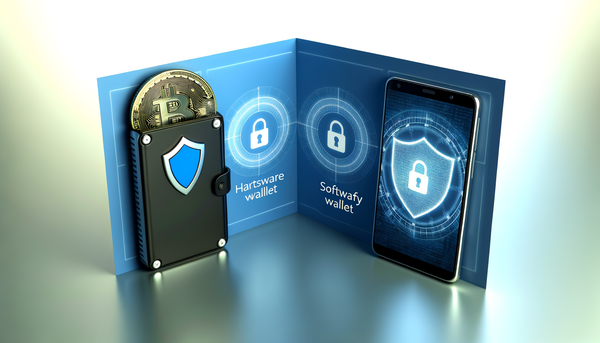
Wallet Segregation Strategy
Implement multiple wallets with different security profiles:
Vault Wallet (Hardware): High-value NFT storage, rarely accessed
- Blue-chip collections (CryptoPunks, Bored Apes, etc.)
- Valuable art NFTs
- Never connects to untrusted dApps
Trading Wallet (Software): Active buying/selling
- Moderate-value pieces
- Regular marketplace interaction
- Limited balance to acceptable loss amount
Interaction Wallet (Burner): Exploring new projects
- Minting new collections
- Testing dApps
- Minimal holdings, frequently rotated
Benefits: Compromising one wallet doesn't expose entire collection.
Smart Contract Interaction Best Practices
Simulate Before Signing:
- Use Tenderly to simulate transactions before submission
- Pocket Universe browser extension shows transaction outcomes
- Fire (formerly Blowfish) provides security warnings
Read The Transaction: Wallet popups provide critical information—don't click blindly:
- What function are you calling?
- What tokens/NFTs are being transferred?
- What approvals are being granted?
- What is the gas fee? (Unusually high fees indicate complex operations)
Verify Smart Contract Addresses:
- Always confirm contract addresses match official sources
- Bookmark official project links
- Never click contract links from Discord, Twitter DMs, or emails
- Use verified checkmarks on marketplaces cautiously—they can be faked
Stay Updated on Emerging Threats
NFT security evolves constantly:
Follow Security Researchers:
- Peckshield (Twitter: @PeckShieldAlert)
- BlockSec (Twitter: @BlockSecTeam)
- CertiK (Twitter: @CertikCommunity)
- Harpie (Twitter: @harpieio)
Join Security Communities:
- NFT Security Discord servers
- r/CryptoSecurity subreddit
- Project-specific security channels
Use Threat Detection Services:
- Harpie (monitors wallet, prevents theft)
- Forta Network (threat detection)
- Chainabuse (report scams, check addresses)
Red Flags for Potential Scams and Rug Pulls
Project-Level Red Flags
1. Anonymous Teams with No Track Record While pseudonymous teams can be legitimate, combination with other red flags increases risk.
2. Unrealistic Promises
- Guaranteed returns
- "Can't lose" value propositions
- Overly ambitious roadmaps given team size
- Celebrity endorsements without clear involvement
3. Copied or Low-Effort Art
- Stolen art from other projects
- Obviously AI-generated without artistic direction
- Inconsistent style across collection
4. Suspicious Minting Mechanics
- Unlimited or unclear supply
- Mint price dramatically lower than floor price (incentivizes immediate dumping)
- Whitelist/allowlist with no clear criteria
- Abnormally long minting period
Contract-Level Red Flags
1. Unverified Source Code If contract isn't verified on Etherscan, you cannot review it—automatic red flag.
2. Upgradeable Proxy Patterns While sometimes legitimate, upgradeable contracts allow developers to change rules post-launch.
3. High Concentration Ownership
- Team wallet holds >20% of supply
- Small number of addresses control majority
- Suspicious minting patterns (batch minting to single addresses)
4. Unusual Functions
withdraw()functions moving user fundssetBaseURI()allowing metadata changes- Hidden minting functions beyond stated supply
- Pause mechanisms without clear justification
Marketplace-Level Red Flags
1. Fake Collections Scammers create contracts mimicking popular collections:
- Similar names with minor spelling changes
- Copied metadata
- Lower prices to attract buyers
- Different contract addresses
Always verify contract address against official sources.
2. Wash Trading Artificial volume from the same addresses trading back and forth:
- High volume but few unique traders
- Suspicious transfer patterns
- Price manipulation
3. Misleading Rarity Fake rarity tools or manipulated trait distributions:
- Verify rarity using multiple sources
- Check on-chain trait distribution
- Compare against official rarity metrics
Recovering from NFT Security Incidents
Immediate Actions After Suspected Compromise
1. Stop the Bleeding
- Immediately revoke all token approvals (Revoke.cash)
- Transfer any remaining assets to a new wallet
- Do not reuse compromised wallet
2. Assess the Damage
- Review transaction history for unauthorized transfers
- Identify what assets were stolen
- Determine attack vector (phishing, malicious approval, etc.)
3. Report and Document
- Report to the NFT project team
- File report on Chainabuse
- Document all transactions and screenshots
- Report to relevant marketplace
4. Protect Your Identity
- Assume your wallet is now associated with attacks
- Consider privacy implications for other holdings
- Monitor for follow-up phishing attempts
Recovery Possibilities (Limited)
Blockchain Immutability Reality: In most cases, stolen NFTs cannot be recovered.
Potential Options:
- Centralized marketplace freezes: Some marketplaces (OpenSea) can delist stolen items, preventing sale but not recovering them
- Community blacklists: Stolen high-profile NFTs may be unmarketable
- Legal recourse: For large thefts with identifiable attackers (expensive, time-consuming, rarely successful)
- MEV protection services: Some services (Harpie) can frontrun attackers if they detect theft attempts
Prevention Worth Everything: Recovery is nearly impossible, making prevention absolutely critical.
The Future of NFT Security in 2026 and Beyond
Emerging Technologies
Account Abstraction (EIP-4337): Smart contract wallets enabling:
- Social recovery without seed phrases
- Transaction simulation before execution
- Spending limits and automated security rules
- Multi-signature patterns for valuable NFTs
Zero-Knowledge Proofs: Enabling private NFT ownership and transfer verification without exposing collection holdings publicly.
Decentralized Identity Integration: Linking verified identities to creators, reducing impersonation and scam projects.
AI-Powered Threat Detection: Machine learning systems identifying malicious contracts and transactions in real-time.
Regulatory Evolution
Expect increasing regulation around:
- Mandatory smart contract audits for projects above certain valuations
- Creator verification and accountability
- Marketplace security standards
- Consumer protection mechanisms
Community-Driven Security
Collaborative Threat Intelligence:
- Shared blocklists of malicious contracts
- Community auditing of new projects
- Reputation systems for creators and collections
Security-First Marketplaces: Emerging platforms prioritizing security over features:
- Automatic contract scanning
- Required security audits for listings
- Insurance mechanisms for users
- Enhanced transaction simulations
Conclusion: Security as Continuous Practice
NFT security isn't a one-time checkbox—it's an ongoing practice requiring vigilance, education, and adaptation to emerging threats. Smart contract exploits continue evolving, with attackers constantly discovering new vulnerabilities and social engineering approaches.
The analysis of nearly 50,000 NFT smart contracts revealing widespread hidden backdoors demonstrates that even verified, apparently legitimate projects can harbor malicious code. This reality demands that every NFT participant—from casual collectors to serious investors—develop fundamental smart contract literacy and security practices.
Key principles for NFT security in 2026:
Trust, But Verify: Even audited contracts from reputable projects require your personal verification.
Assume Breach Mentality: Operate as if attackers constantly probe your security posture.
Segregate Risk: Use separate wallets with appropriate security profiles for different use cases.
Minimize Attack Surface: Grant only necessary approvals, revoke regularly, and limit marketplace interactions.
Stay Educated: The threat landscape evolves daily—continuous learning is essential.
Community Participation: Share experiences, report scams, and contribute to collective security knowledge.
The immutability that makes blockchain valuable—eliminating intermediary control and censorship—also makes security entirely your responsibility. There are no chargebacks, no customer service reversals, no safety nets. Your NFTs are only as secure as your weakest security practice.
As the NFT ecosystem matures beyond speculation into legitimate use cases for digital ownership, identity, and property rights, security must evolve from afterthought to foundation. The projects, marketplaces, and users who prioritize security will thrive. Those who don't will become cautionary tales.
Your digital assets deserve the same security rigor as your physical property. In many cases, they warrant even more vigilance, given the irreversible nature of blockchain transactions and the sophisticated attackers targeting high-value NFT collections.
Protect your digital assets with the seriousness they deserve. The few extra minutes spent verifying contracts, revoking approvals, and scrutinizing transactions could save you from catastrophic, irreversible loss.